The Ritual of the Card Room

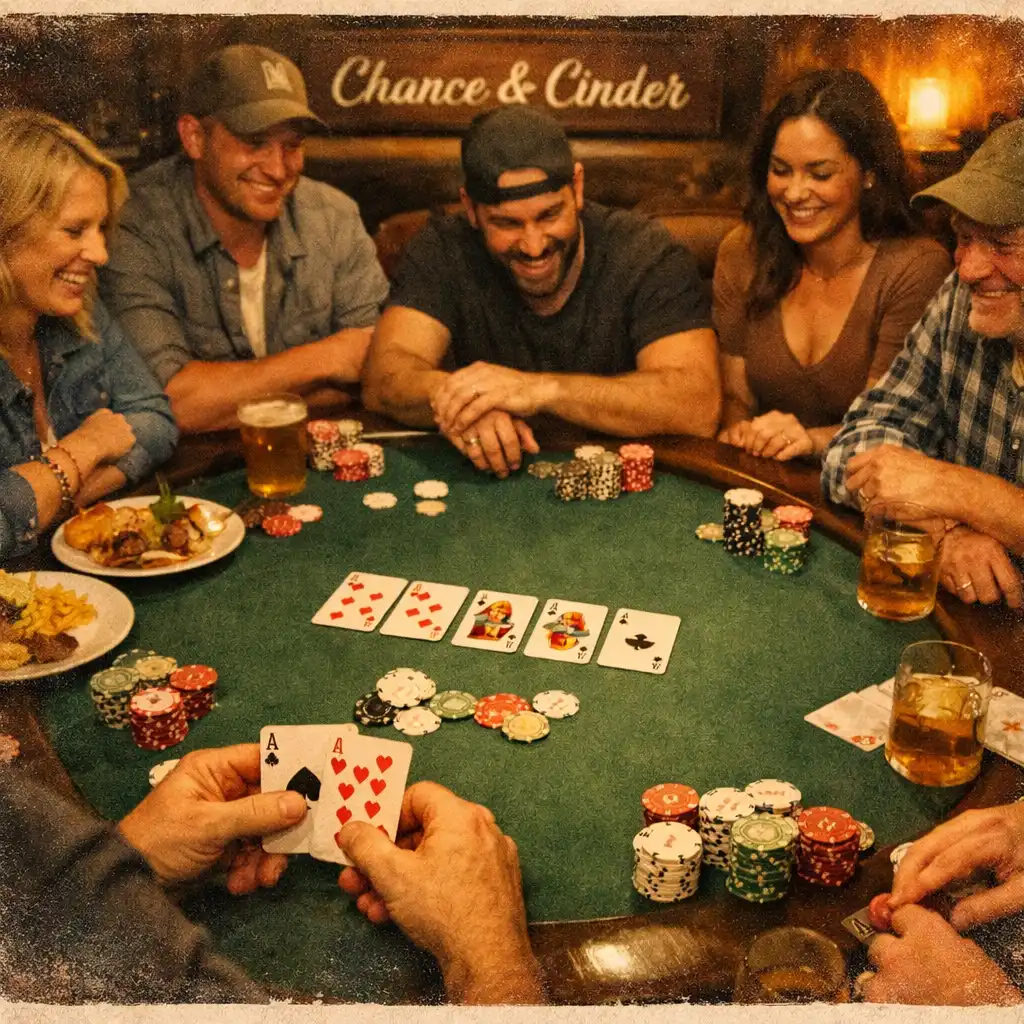
Poker at Chance and Cinder is not a digital pastime—it's a tactile, social ritual that unfolds over dinner and cards. Etiquette here is about respect for the game, the venue, and your fellow players. Every game is offline, held at the restaurant's card room, and the atmosphere blends fine dining with the focused energy of a Texas Hold'em tournament. Good etiquette ensures everyone enjoys the evening, from first-time players to seasoned high rollers.

Think of this guide as a scrapbook of courtesies collected from real evenings at Chance and Cinder. Each tip is a snapshot of how to behave when the cards are dealt and the plates are served. The guide covers arrival, seating, play, dining, and social interactions, and the goal is to make you feel at home at the poker table.

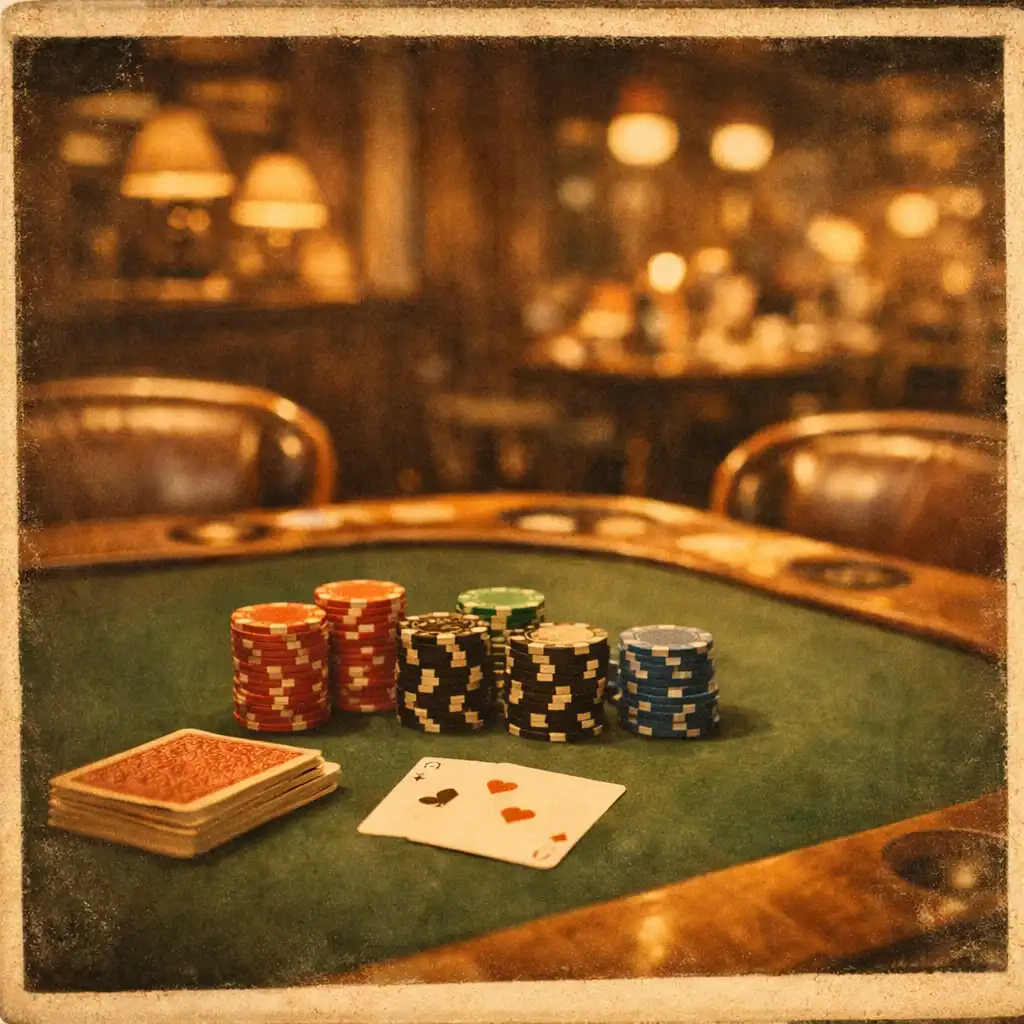
Warm view of the Chance and Cinder card room with a wooden poker table, colorful chips, and soft pendant lighting

Arriving at the Table

Check-In and Seating

When you arrive, let the host know you're here for poker. They'll guide you to the card room, where you'll be assigned a seat at a poker table. Wait for the dealer to acknowledge you before taking your place. Arrive a few minutes early to settle in without rushing.

Coordinate Your Meal

Seating is often assigned to balance the table. If you have a dining reservation, coordinate with the host so your meal and game flow smoothly. The card room is on-site at the restaurant, and no money changes hands—buy-in is chips-only.

Greeting Fellow Players

A simple nod or 'good evening' goes a long way. Poker is a social game, and acknowledging others at the table sets a friendly tone. Avoid loud greetings that might disturb ongoing hands.

Respect the focus of players already in a hand, and keep conversations light until you're settled. High rollers appreciate a calm, respectful atmosphere, and offline poker etiquette emphasizes in-person courtesy above all.

The Chips-Only Buy-In

At Chance and Cinder, a buy-in is simply the allocation of chips you receive to play at the table. It has nothing to do with money—it's a way to ensure every player starts with the same stack for a fair game. Chips are provided by the venue for the duration of the game, and the buy-in is part of the dining experience, not a financial transaction. No cash, cards, or online payments are involved.

When you sit down, the dealer will give you a set of chips. These chips are used for betting during the Texas Hold'em tournament. At the end of the game, the chips are returned—they hold no value outside the table. Chips are color-coded for easy identification, and the allocation is the same for all players. This system keeps the game friendly and focused on skill.

At the Poker Table

Betting and Raising

When it's your turn, announce your action clearly—'call', 'raise', or 'fold'. Avoid splashing the pot; place your chips neatly in front of you. Wait for the dealer to confirm before moving on. Use verbal declarations to avoid confusion, and keep your chips in stacks for easy counting. Don't act out of turn; wait for the player to your right.

Folding and Mucking

When you fold, slide your cards face-down toward the dealer. Don't reveal your cards to others—it can affect the game. Keep your folded cards in the muck pile. Never throw cards across the table, and respect the dealer's area. Avoid commenting on folded hands.

Table Talk

Keep conversation light and avoid discussing the current hand. Don't give advice or criticize others' play. Remember, poker is a social game, but focus is key. Avoid 'coaching' other players, don't reveal your hand while the hand is live, and save detailed discussions for breaks.

Dining and Dealing

At Chance and Cinder, dining and poker are intertwined. You can enjoy your meal before, during, or after the game, but be mindful of the table. Keep food away from the cards and chips, and use breaks to eat heartily. The restaurant serves dishes designed for easy eating at the table, and you should use the provided side tables for plates and glasses. Avoid greasy fingers on cards—use napkins.

If you're in a tournament, plan your meal around the breaks. The dealer will announce breaks, and that's the perfect time to enjoy your dinner without missing a hand. Breaks are scheduled regularly, and you can also order small plates to nibble on between hands. Always ask the dealer if you're unsure.

High Roller Courtesies

  • High rollers are often experienced players who value a serious, focused game.
  • Show respect by playing attentively and avoiding distractions.
  • Don't slow down the game unnecessarily.
  • Avoid excessive chatter during crucial hands.
  • Be decisive with your actions.
  • Treat every player equally, regardless of stack size.

Common Faux Pas to Avoid

  • Acting out of turn disrupts the flow.
  • Splashing the pot makes it hard to track bets.
  • Revealing cards can give unfair advantages.
  • Rudeness ruins the social atmosphere.

If you make a mistake, apologize briefly and move on. Don't dwell on it or make excuses. The table will appreciate your grace. A simple 'sorry' is enough, learn from the mistake for next time, and keep the game moving.

Etiquette for Tournament Breaks

  • Breaks are your time to stretch, eat, and socialize.
  • Step away from the table and enjoy a dish from the kitchen.
  • Return promptly when the break ends.
  • Breaks are usually 10-15 minutes.
  • The restaurant offers quick bites perfect for breaks.
  • Being late back to the table is a common faux pas.

Use breaks to clear your mind. A short walk, a glass of water, or a moment of quiet can help you refocus for the next round. Hydration is key during long games, and you should avoid overindulging in food or drink that might slow you down. Return with a positive attitude.

A Final Note on Etiquette

At its heart, poker etiquette is about respect—for the game, the venue, and the people around you. If you approach the table with courtesy and a willingness to learn, you'll fit right in at Chance and Cinder. Respect the dealer and other players, remember the chips-only buy-in, and enjoy the blend of dining and poker.